
Astha Pregnancy
Kaazal DotsParenting
4.719.00 Reviews
- Version
- 1.6.26
- Installs
- 500.00K
- Age Rating
- Everyone
Screenshots
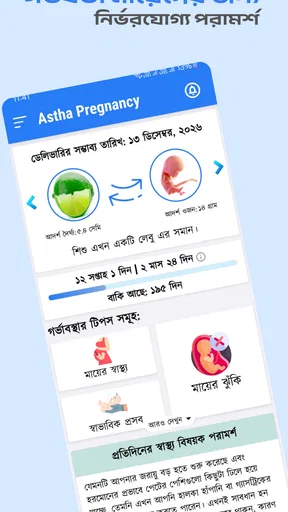
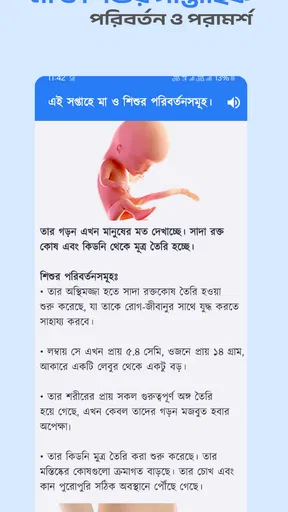
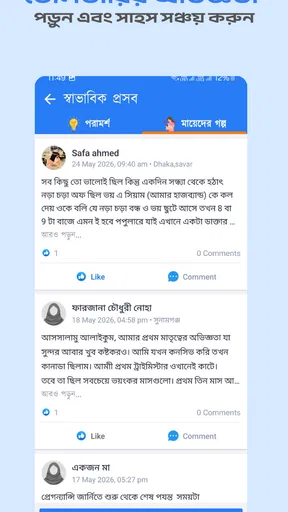
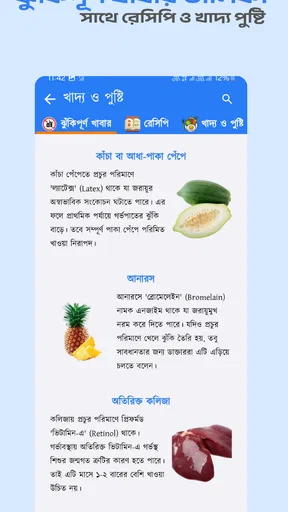
Our Review of Astha Pregnancy
 Analysis by Appyee
Pregnancy advice is easiest to use when it is available at the exact moment a question appears. That is the main reason I found Astha Pregnancy interesting. This parenting app from Kaazal Dots is built around a safe motherhood journey that can be followed offline, with Bangla content at its center. Rather than treating pregnancy information as something that must always be searched online, it gives the user a more practical reference to keep close during everyday routines.
I reviewed it as someone looking for a calm companion rather than a replacement for a doctor. That distinction matters. A pregnancy app can help organize thoughts, explain common stages, and make it easier to remember what to discuss at an appointment. It cannot examine symptoms, interpret an emergency, or personalize medical care in the way a qualified professional can. Within that boundary, this free parenting app has a clear audience: Bangla-speaking expectant parents who want useful guidance without depending on a constant internet connection.
Why the offline Bangla approach matters
The strongest idea here is not simply that the app contains pregnancy information. It is that the information is designed to remain useful when connectivity is inconvenient. In many homes, mobile data is limited, signal quality changes from room to room, or a user may prefer not to spend time opening a browser for every small concern. An offline-first experience removes that extra step.
That changes the rhythm of use. Instead of waiting for a page to load, comparing search results, and deciding which source sounds trustworthy, I can open the app and continue reading in Bangla. For a first-time parent, familiar language also reduces the mental effort involved in translating medical or pregnancy-related explanations. The benefit is not only convenience; it is comprehension. Advice is more useful when the reader can absorb it without working through a second language.
I would describe the app as a pocket reference for the motherhood journey, not as a diagnostic tool. That makes its role easier to understand. It is suitable for learning and preparation, while decisions about medication, warning signs, tests, nutrition changes, or treatment still belong with a healthcare professional.
The app is free and has an Everyone content rating, which makes it approachable for households where more than one person may want to look at it. Its reception is also encouraging: it holds a 4.7 average from around 5.3K ratings and has passed 500K installs. Those figures do not prove that every family will like its presentation, but they do suggest that the basic concept has reached a substantial audience.
What offline access changes in daily life
Online pregnancy resources often create a research problem. A simple question can lead to several articles, contradictory wording, advertisements, and advice written for a different country or healthcare system. An offline Bangla app narrows that experience into something more manageable. I can use it during a quiet moment, revisit a topic later, and avoid turning every question into a long web search.
There is also a privacy advantage in ordinary use, even without making assumptions about the app’s technical policies. Reading locally can feel less exposed than repeatedly searching sensitive subjects in a browser. That does not mean a user should share personal medical information casually, but it does make private reading more comfortable for some people.
The trade-off is that offline content is not the same as live medical information. Pregnancy guidance can depend on a person’s health history, location, stage of pregnancy, and advice from a clinician. A stored reference is valuable for continuity, but it should not be treated as automatically current for every individual situation. I found the best mindset is to use the app to prepare better questions, not to settle serious questions alone.
How I would use it in practice
The most effective workflow is simple: open the app when a question comes up, read the relevant Bangla explanation, note what still feels unclear, and bring that point to the next appointment or trusted healthcare conversation. This is more useful than scrolling without a purpose. The app becomes a small preparation tool rather than another feed competing for attention.
For example, imagine someone notices a change in appetite and wants to understand whether it is a common part of pregnancy. With Astha Pregnancy available offline, she can first read the related guidance in a language that feels natural. If the explanation does not match her experience, or if the symptom feels severe, sudden, or worrying, the next step is not to keep searching inside the app. The next step is to contact a medical professional. That two-step habit is important: use the app for orientation, then use clinical care for judgment.
I also see value in sharing the reading process with a partner or family member. One person can open the relevant topic, explain what they understood, and turn a vague concern into a specific conversation. This is particularly helpful when a partner wants to be supportive but does not know what practical help is needed. The app can provide a common starting point without asking both people to navigate a large collection of online pages.
Another useful routine is to read when calm rather than only during a moment of anxiety. A short session at home can help a user become familiar with the language used around pregnancy and prepare a list of questions. When a healthcare visit arrives, that list may be more valuable than trying to remember every concern from memory. This is one of the less obvious strengths of an offline reference: it supports preparation before a problem feels urgent.
A realistic household scenario
Consider a Bangla-speaking couple in a home where internet access is unreliable. The pregnant partner has a question in the evening, but opening several web pages is frustrating and the available results use unfamiliar terminology. She opens the app, reads the relevant material, and marks the concern mentally for discussion the next day. Her partner reads the same explanation and helps write down follow-up questions. If the issue is urgent or alarming, they do not wait for the app to provide reassurance; they seek professional help.
That scenario shows both the app’s strength and its proper limit. It reduces friction around everyday learning, but it does not turn general information into personal medical advice. I appreciate that distinction because pregnancy tools can become misleading when they encourage users to believe that a checklist or article understands their complete health history.
Making the offline capability work better
My first practical suggestion is to explore the app before an internet-free moment, while you have time to become comfortable with its layout. Offline tools are most helpful when the user already knows where to look. I would open it during a quiet period, read several relevant sections, and decide which topics deserve a conversation with a doctor or midwife.
Second, keep a separate note for questions that arise while reading. The app can explain a general subject, but the unanswered part is often the most important: “Does this apply to me?” Writing that down prevents repeated searching and makes appointments more focused. It also helps a partner participate without relying on memory.
Third, treat language clarity as a safety feature rather than just a comfort feature. If a Bangla explanation is easier to understand than an English article, it is more likely to be remembered accurately. At the same time, if a medical term remains confusing, I would not guess its meaning. I would ask a clinician or a trusted medical source to explain it.
Finally, I would avoid using the app as a reason to delay help. Offline availability can make information feel immediately accessible, but access is not the same as assessment. Severe pain, heavy bleeding, breathing difficulty, fainting, or any symptom that feels dangerous deserves prompt professional attention rather than extended reading.
Where the experience feels limited
The offline focus is useful, but it naturally creates a boundary around the experience. Users who want live interaction, direct communication with clinicians, appointment booking, or highly personalized tracking may find a broader pregnancy platform more suitable. Astha Pregnancy makes more sense when the priority is accessible Bangla guidance that can be revisited without depending on connectivity.
I would also be careful about expecting the app to replace a structured care plan. Pregnancy is not identical for everyone. A general guide cannot account for previous complications, chronic conditions, medication use, test results, or instructions from a personal doctor unless those details are assessed in a clinical setting. This is not a flaw unique to this app; it is a basic limitation of general-purpose pregnancy information.
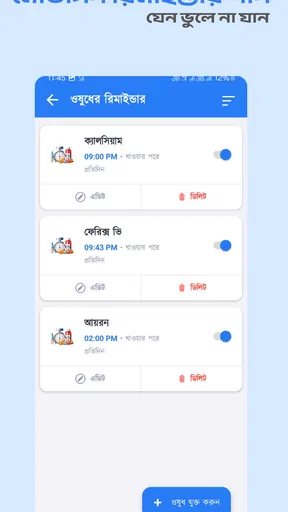
There is a second trade-off in simplicity. A focused reference may feel easier than a crowded health platform, but users who enjoy detailed logs, reminders, charts, community discussion, or connected wearable features may prefer a different category of app. I would choose Astha Pregnancy for reading and preparation, not for building a complete digital record of every aspect of pregnancy.
The app’s release date and version also matter when setting expectations. It was released on September 7, 2023, and the current version is 1.6.26. That tells me the product has had time to develop beyond its initial launch, but version numbers alone do not guarantee that every topic will match a user’s needs. I would still read critically and use professional care for decisions that affect health.
Device compatibility is fairly accessible, since it requires Android 7.0 or later. That makes it a realistic option for people using an older Android phone rather than a recent flagship. However, anyone on iOS should check the relevant availability before planning around it, because the experience described here is specifically the Android app environment. I would not assume that another platform offers the same version or behavior.
How it compares with common alternatives
The usual alternative is a web search. Search is broader and can provide current material from hospitals, public health organizations, and clinicians, but it also demands more judgment. Results may be in English, may not reflect local practice, or may mix reliable advice with sensational content. Astha Pregnancy is less broad, yet more convenient for a user who wants a prepared Bangla reference that remains available offline.
Another alternative is a large international pregnancy app. Those products may offer more tracking tools, notifications, visual progress systems, or community features. Their weakness for this audience can be language, cultural fit, or dependence on a connection. I would choose the larger platform when detailed monitoring is the priority, but choose this app when understandable offline reading is the priority.
Printed books and advice from family remain common alternatives too. A book can be dependable and completely offline, while an experienced relative can provide emotional support. Neither is automatically personalized or medically correct, though. The app sits between those options: it is easier to carry and revisit than a book, and it can give a shared starting point for family conversations, but it should not outrank a clinician’s individualized guidance.
Who will benefit most from this app
I think the clearest audience is a Bangla-speaking expectant parent who wants straightforward pregnancy education on an Android phone and may not always have reliable internet access. It is also useful for a partner or family member who wants to understand the journey well enough to offer practical support. The free price removes a common barrier, and the Everyone rating makes it comfortable to introduce within a household.
It is especially appealing for someone who becomes overwhelmed by search results. Having a dedicated place to begin can reduce the temptation to read ten conflicting pages late at night. The offline design is also valuable for travel, rural areas, shared devices with limited data, or any situation where connectivity should not determine whether basic educational material is available.
I would recommend looking elsewhere if your main need is clinical consultation, personalized risk assessment, detailed symptom monitoring, or a complete appointment and medication system. In those cases, a healthcare provider or a more specialized health platform may be the better choice. I would also skip it as a sole resource if you are uncomfortable reading general guidance without direct professional support.
My overall view is positive because the app understands a real problem: useful pregnancy information is not truly useful if language and connectivity make it difficult to reach. Kaazal Dots has made that access the center of the experience, and the result is most convincing when used as a calm, offline companion for learning and preparing questions.
My recommendation is to use Astha Pregnancy as a Bangla reference beside proper prenatal care, not instead of it. For the right user, that modest role is exactly what makes it practical. It is free, approachable, and focused on making everyday pregnancy information easier to reach. Its value is greatest when the user reads thoughtfully, discusses uncertainties with a qualified professional, and lets the app support the journey without asking it to carry responsibilities it was never designed to carry.
Verdict
Strengths of Astha Pregnancy
- Clear week-by-week pregnancy guidance for expecting mothers.
- Helpful fetal development information throughout each trimester.
- Simple interface makes key pregnancy details easy to find.
- May help users track important appointments and pregnancy milestones.
- Useful educational content for first-time parents.
Limitations of Astha Pregnancy
- Content may vary in accuracy depending on the selected language or region.
- Some features may require personal data or account permissions.
- It should not replace advice from a qualified healthcare professional.
- Limited usefulness after delivery if postpartum tools are unavailable.
- Information may feel repetitive for experienced parents.
Similar Picks in This Category
View All
Family Space
Motorola Mobility LLC.3.9

شرطة الأطفال - مكالمة وهمية
Oub Apps4.1

Findmykids: Parental Control
LETEM LTD4.6

Pregnancy + | Tracker App
Philips Electronics UK Limited4.8

Policía de niños - para padres
Kids police4.7

Pregnancy App
Amila4.9
Frequently Asked Questions
What is Astha Pregnancy, and what can I use it for?
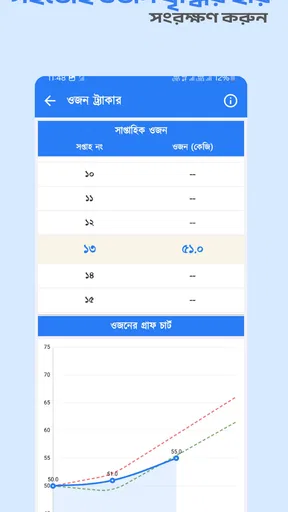
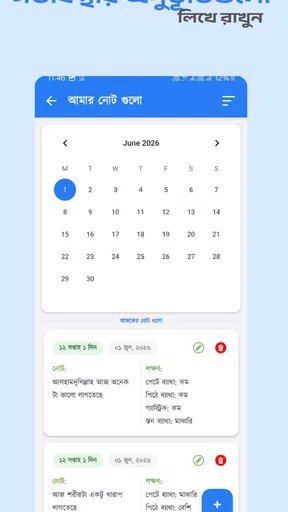
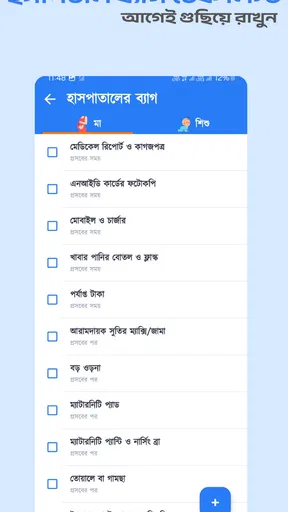
Astha Pregnancy is designed to support expectant mothers with pregnancy-related information, guidance, and tracking tools. Depending on the version available on your device, it may help you follow pregnancy progress, learn about fetal development, monitor important dates, and organize useful notes. It should be treated as an informational companion rather than a replacement for appointments, examinations, or personalized advice from a qualified healthcare professional.
Is Astha Pregnancy medically accurate and suitable for every pregnancy?
The app can be useful for general education and routine pregnancy organization, but its content should not be considered a diagnosis or a personalized medical plan. Every pregnancy is different, including high-risk pregnancies, multiple pregnancies, and pregnancies affected by existing conditions. Always confirm important information with your obstetrician or midwife, particularly when the app’s guidance differs from advice provided by your healthcare team.
Can Astha Pregnancy calculate my due date and track pregnancy weeks?
Astha Pregnancy may allow you to enter details such as the first day of your last menstrual period or an estimated conception date to calculate an approximate due date and pregnancy week. These calculations are estimates and can change after an ultrasound or professional evaluation. For the most reliable result, use the date confirmed by your doctor, especially if your menstrual cycle is irregular.
Does Astha Pregnancy require personal information, and is my data private?
Before using the app, review its privacy policy and the permissions requested during installation. Pregnancy applications may ask for information such as dates, symptoms, weight, reminders, or health-related notes, and the way this data is stored or shared can vary. Avoid entering sensitive information unless you understand the app’s data practices, and check whether account deletion and data-export options are available.
Can I rely on Astha Pregnancy for symptoms or urgent pregnancy concerns?
No pregnancy app should be used to assess emergencies or replace professional care. If you experience heavy bleeding, severe abdominal pain, fainting, difficulty breathing, severe headache, vision changes, reduced fetal movement, fluid leakage, or any symptom that feels urgent, contact your healthcare provider or local emergency services immediately. Astha Pregnancy may offer general explanations, but it cannot examine you or provide a dependable diagnosis.
